Vashon Island
Water damage restoration on Vashon Island, WA
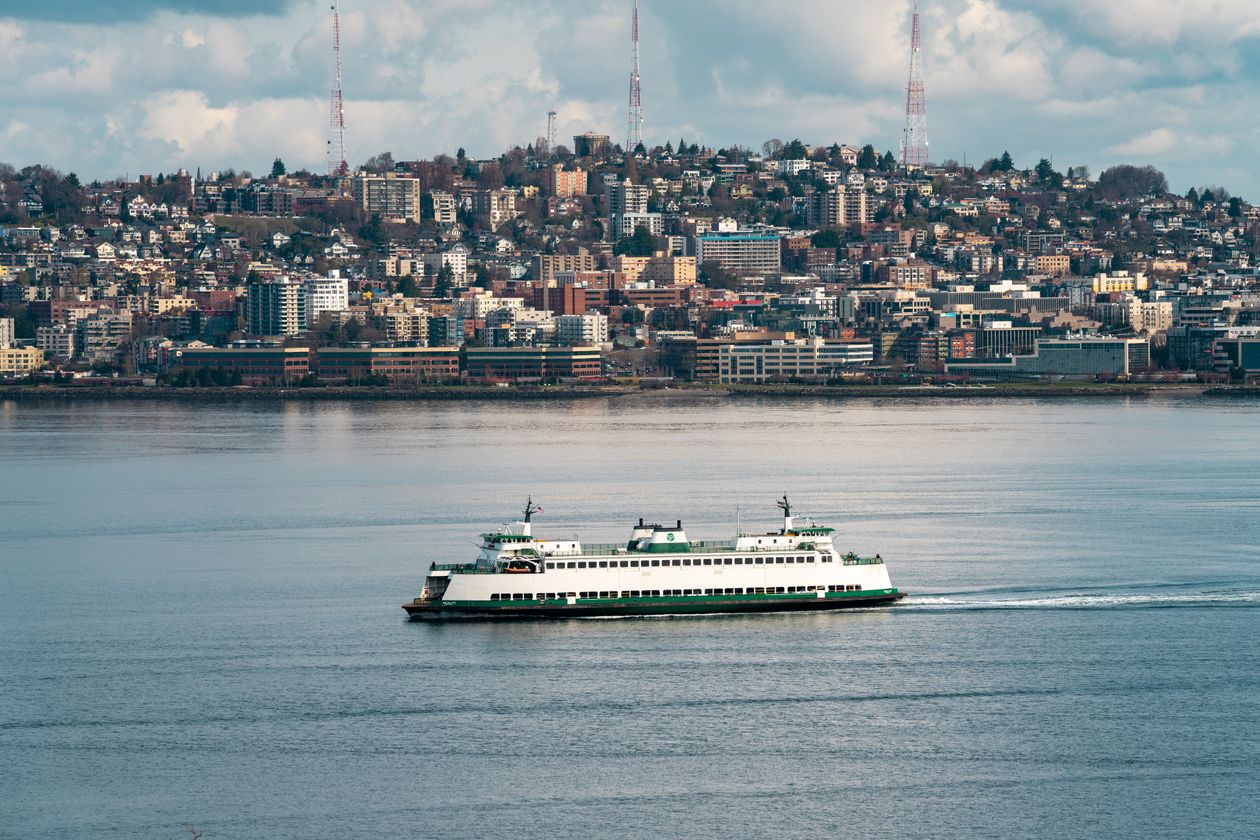
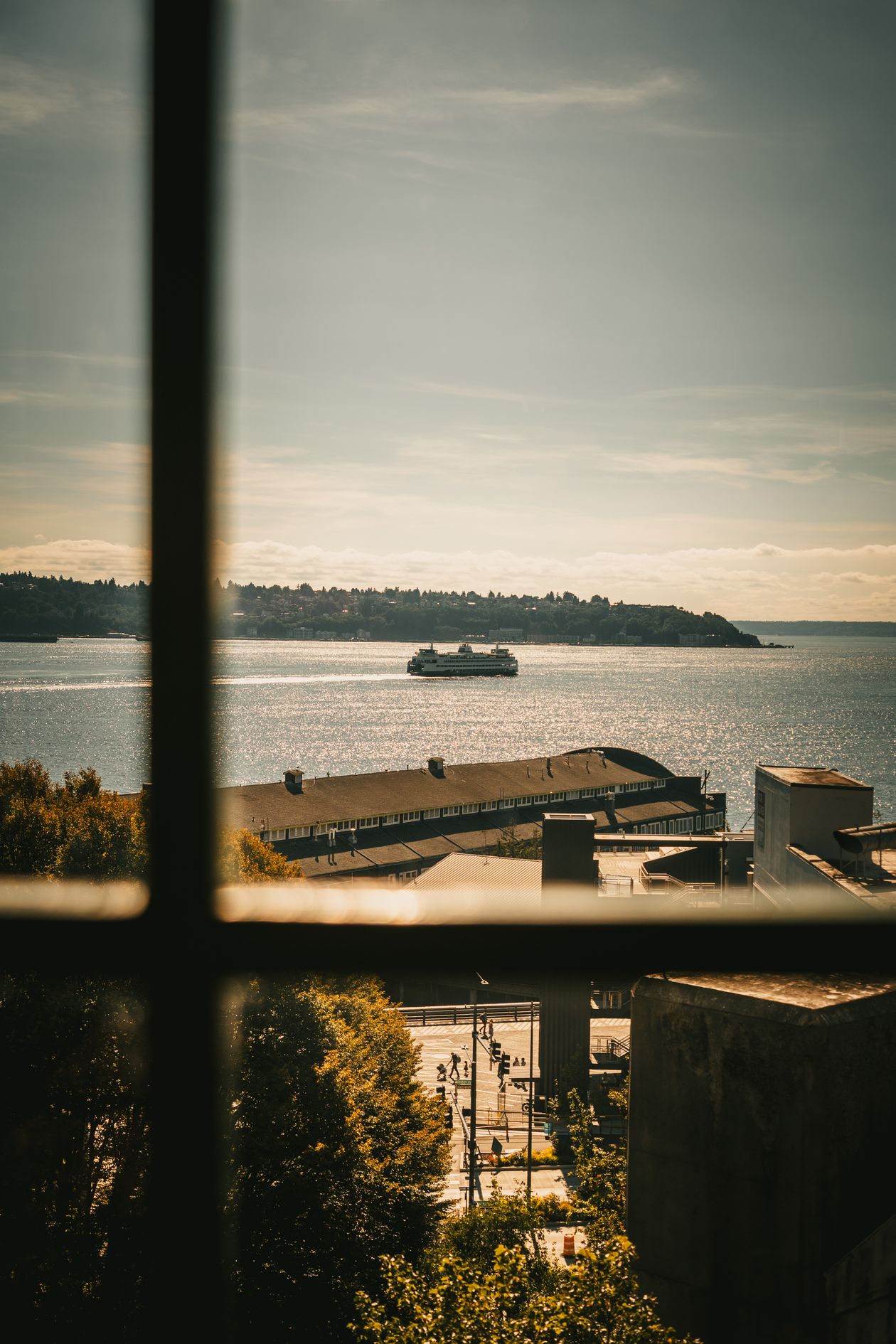
Vashon Island, together with Maury Island, sits in Puget Sound and is reached only by ferry. That changes how water damage work happens here: crews and drying equipment come over on a sailing, timing depends on the ferry schedule, and when drying takes several days the equipment stays on the island until the job is done. We’ll be straight with you about all of it.
On Vashon or Maury? Call and we’ll work out the timing around the sailings with you.
Call About Your Vashon Home- Phone answered 24/7
- Emergency response
- Upfront pricing before work begins
- No hidden fees
- Straight answers on the phone
- Crews who know Cedar River valley crawl spaces
The island
Rural, varied and on its own systems
Vashon is rural. There’s a small town center, but most of the island is farmland, woods and homes spread along quiet roads and down on waterfront lots. The housing is as varied as anywhere we serve: older farmhouses, cottages that started as summer places and were added to over the decades, mid-century homes on bluffs, and newer houses built among them.
Most of the island has no municipal sewer, so septic systems are the norm. Water comes from a local water district in some areas and from private wells or small shared water systems in others. Maury Island, joined to Vashon by a narrow strip of land, is much the same, only quieter.
All of that shapes what goes wrong: old plumbing in homes that have been remodeled many times, crawl spaces under older houses, septic backups in the wet season, and well systems that keep pumping when a pipe fails.
The ferry
How the ferry shapes the work
Timing follows the sailings
A crew’s arrival depends on the next ferry with space and the crossing. We’ll give you an honest estimate based on the schedule, never a clock-time promise.
Equipment stays on the island
Dehumidifiers and air movers run around the clock for several days. On Vashon they stay in place for the whole drying period rather than being moved back and forth.
Return visits are planned
Moisture readings are scheduled around sailings, so the crew may bundle checks and work into fewer, longer visits.
The crossing is part of the price
Ferry fares and crossing time are real costs. They’re included in the price you’re given before any work begins, not added afterward.
Bigger jobs need more planning
Where materials or extra equipment are needed, the crew plans what comes over on each sailing so the job keeps moving.
None of this means slow work. It means the work is planned rather than improvised. The most useful thing you can do is give us a clear picture on the phone, so the crew brings the right equipment on the first crossing.
Tell us what’s wet and roughly how much, and we’ll plan the first crossing around it.
Plan a Crew Around the FerryWhile you wait
What to do before the crew arrives
Stop the water
Close the main valve where the line enters the house. On a well, also switch the pump off if you know how, since it will keep refilling the tank.
Stay clear of electrics
If water is near outlets or panels, do not enter. Call your utility and emergency services.
Stop using drains
If water came up through a drain, stop running water anywhere in the house until you know the cause.
Photograph everything
Take photos of the water, the source and every affected room before anything is moved.
Lift and move what you can
Get rugs, boxes and belongings off wet floors, and put foil or blocks under furniture legs.
Get air moving indoors
Run any fans you have, and keep windows closed in damp weather so the indoor air doesn’t take on more moisture.
Because timing depends on the sailings, these first steps matter more here than on the mainland. See emergency water damage restoration.
Septic and wells
The systems most island homes rely on
A septic backup usually shows first at the lowest fixture: a floor drain, a lower-level shower or a toilet. In the wet season, a drainfield in saturated ground drains more slowly, and a tank that’s due for pumping has less room. If anything comes up a drain, stop using water, call an island septic service, and treat what came up as sewage. The septic service deals with the tank and drainfield; the restoration crew removes affected materials, cleans and dries the inside, and confirms with readings before rebuilding. See sewage backup cleanup.
On a private well or small shared system, a leak shows up differently from a city supply. There’s no meter spinning at the street; instead, the pump runs when nothing is on, or the tank pressure keeps dropping. On a shared system, let the other households and whoever manages the system know, because a leak on your side can affect their water too.
Septic backing up or the well pump won’t stop? We’ll help you with the first steps.
Septic or Well Trouble? Call UsOlder homes
Cottages, farmhouses and many remodels
Many Vashon homes have grown in stages: a summer cottage turned into a year-round home and extended, a farmhouse with a newer kitchen and a bathroom where a porch once was. Plumbing from several decades meets inside the walls, and the crawl space under the oldest part of the house is often low, uneven and hard to reach. A slow leak under an added bathroom can run a long time before anyone smells it.
Homes on bluffs and sloping waterfront lots add drainage to the list. Water running off the slope above collects against uphill walls and in crawl spaces, and downspouts that empty near the foundation make it worse. Keeping roof water piped well away from the house is one of the most useful things an owner can do. See crawl space water damage.
For the many island homes that sit empty part of the year, a leak can go unnoticed for weeks. If you’re away often, shut off the water at the main before you leave, and ask a neighbor to look in after storms. See vacant and seasonal property water damage.
Older island home with a musty smell underneath? Tell us what you’ve noticed.
Ask About an Older Island HomeTime and cost
What affects the timeline and the price
Drying itself works the same way on the island as on the mainland: extract, remove what can’t be saved, dry with dehumidifiers and confirm with readings. What’s different is the logistics around it. We’re a Maple Valley service on the mainland, so every island job starts with a ferry crossing. Equipment stays on site for the whole drying period, visits are planned around sailings, and the crossing is part of the cost.
A small clean-water leak caught early might still be dried in a few days. A septic backup, a leak that ran for weeks in an empty house, or water under a large old crawl space takes longer. The crew will explain the plan, how often someone will come over to take readings, and the price before any work begins.
The full plan and the full price, crossing included, before work starts.
Get the Price Before We StartServices island homes need most
Nearest mainland areas we serve
Questions
Vashon Island questions
Yes, the whole 98070 ZIP code. Crews and equipment come over by ferry, and we’ll be open with you about what that means for timing.
It depends on the sailing schedule and space on the boat. We’ll give you an honest estimate based on the next workable crossing, not a promise.
Drying runs around the clock for several days. Leaving the equipment in place means drying never stops between visits.
The crossing is a real cost, and it’s built into the price you’re given before work begins. There are no surprise charges afterward.
Shut off the water, keep clear of wet outlets and panels, photograph everything and move belongings off wet floors.
Very likely. Stop using water, call a septic service and treat it as sewage.
The other households and whoever manages the system, since a leak on your side can affect everyone’s water.
Shut off the main when you leave, ask a neighbor to check after storms, and consider a simple leak or temperature sensor.
The crew can provide photos, moisture readings and written notes on what they found and the work performed, so you have a clear record for your own files.
Usually, if we know what to expect. The more detail you give on the phone, the better the first crossing is planned.
Water damage on Vashon or Maury? Call and we’ll plan the crossing with you.
Crews and equipment come over on the ferry, stay for the drying and give you the full price, crossing included, before work begins.
Honest about the ferry, practical about everything else.
Call Now: (425) 380-0163