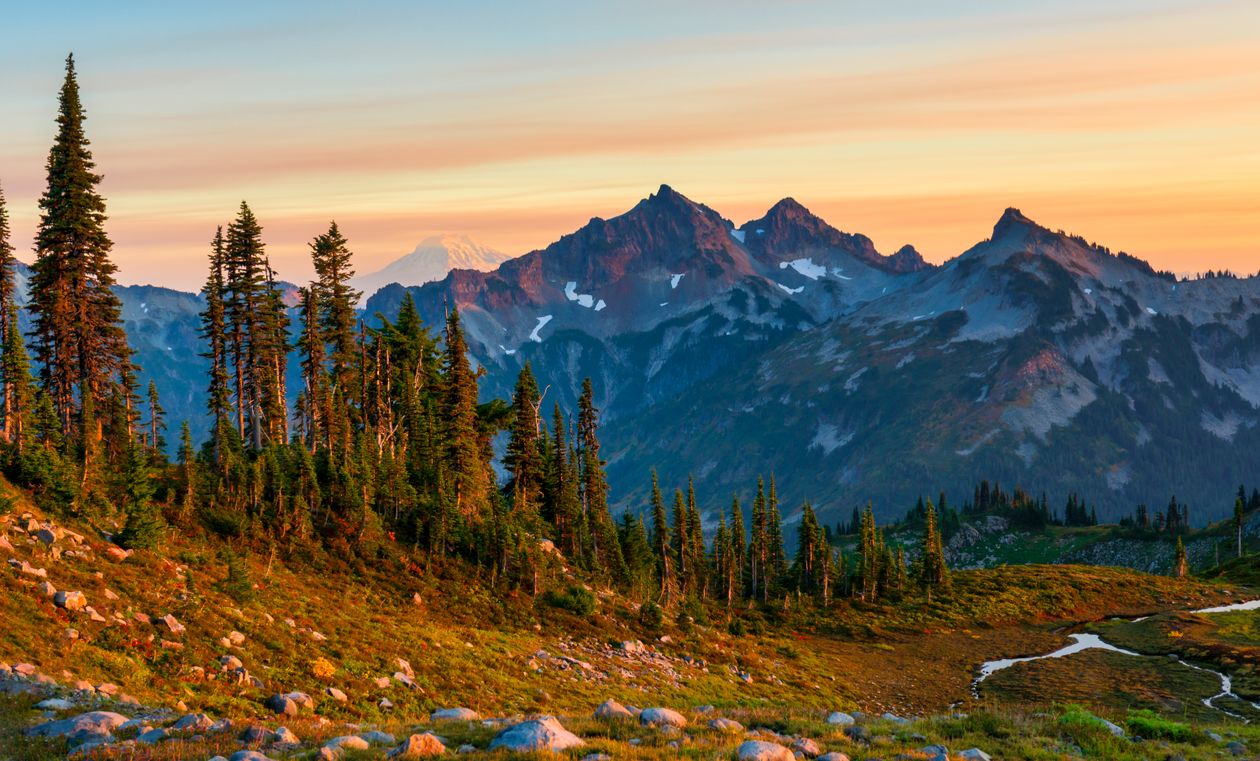
Snoqualmie Pass
Water damage and frozen pipe restoration at Snoqualmie Pass, WA
Snoqualmie Pass is a mountain community at around 3,000 feet on I-90, with real winters: deep snow, long hard freezes and roads that close in storms. Many homes here are cabins, condominiums and second homes that sit empty for weeks at a time. That combination makes the frozen, burst pipe found days after it failed the defining water damage call at the Pass.
Found a burst pipe at your Pass cabin or condo? Call and we’ll help you with the next steps.
Burst Pipe at the Pass? Call Now- Phone answered 24/7
- Emergency response
- Upfront pricing before work begins
- No hidden fees
- Straight answers on the phone
- Crews who know Cedar River valley crawl spaces
The community
A mountain community, mostly part-time
The Pass is small and seasonal. Around the ski areas and along the roads off the interstate are cabins, chalets, A-frames, condominium buildings and a smaller number of full-time homes. The community straddles the King and Kittitas county line, and much of the property is owned by people who live elsewhere and come up for weekends and ski season.
Houses here are built for snow, with steep or heavily framed roofs, raised entries and crawl spaces. They are also, for much of the year, empty. When the heat fails or the power goes out while nobody is there, the water inside the pipes has nowhere to go but ice.
Most properties rely on a local water system or their own well, and many use septic or small shared systems. Access matters too: snowy roads, plowed-in driveways and chain requirements all affect when a crew can get to a property and what it can bring.
Freeze
How pipes freeze and burst in a mountain cabin
At the Pass, freezing isn’t an occasional event; it’s the winter. Pipes in crawl spaces, exterior walls, under-sink cabinets on outside walls and unheated utility rooms are the most exposed. When heat drops, water in those pipes freezes and expands. The pipe often splits at the frozen section, but the leak doesn’t start until the ice thaws, sometimes hours or days later when the heat comes back on or the weather warms.
That’s why so many burst pipes at the Pass are found late. An owner arrives on Friday night to water running through a ceiling, or a neighbor notices ice coming out under a door. By then the water may have been running for a long time, into subfloors, walls, insulation and the floor below.
- Power cuts during storms stop the furnace and any heat tape.
- A thermostat set too low leaves pipes in outside walls and crawl spaces below freezing.
- Heat tape that has failed, or was never plugged back in, stops protecting the line it’s on.
- A furnace that runs out of fuel or faults while the cabin is empty.
- Crawl space vents left open or insulation that has fallen from the pipes.
See frozen pipe burst cleanup.
Pipe split while you were away? We’ll help you shut it off and plan the drying.
Help With a Frozen PipeWhen you arrive to water
The first steps at an empty cabin
Shut off the water
Close the main valve. Know where it is before winter, and make sure it’s reachable when there’s snow against the house.
Stay clear of electrics
If water is near outlets or panels, do not enter. Call your utility and emergency services.
Photograph before you move anything
Take photos of the source, the water and every affected room, including ceilings below.
Keep the heat on, gently
If the heat and power are working and it’s safe to be inside, keep the building above freezing so nothing else splits while you wait.
Open cabinets on outside walls
Let warm air reach pipes that may still be frozen. Don’t use open flames or high heat on a frozen pipe.
Call a plumber and a crew
A plumber repairs the pipe; the restoration crew extracts, removes wet materials and dries the building.
Arrived to water at your Pass property? Call and we’ll talk through what to do tonight.
Arrived to Water? Call UsWinterizing
Protecting a property that sits empty
Shut off and drain
For long absences, many owners shut off the main and drain the lines, the water heater and the fixtures. A plumber can set this up properly.
Keep the heat steady
If you leave the water on, keep the thermostat high enough that crawl spaces and outside walls stay above freezing, not just the living room.
Check heat tape
Test it before winter, make sure it’s plugged in, and replace any that is damaged.
Close up the crawl space
Close vents for winter and keep insulation around pipes in place.
Remote alerts
A simple temperature and leak sensor that sends a message to your phone can turn a days-long leak into a same-day call.
A local contact
Someone who can look in after a storm or a power cut, and who knows where the main shutoff is.
Winterizing is mostly plumbing and upkeep, not restoration, and a local plumber is the right person for draining and re-commissioning. What a restoration crew sees is what happens when it doesn’t work. See vacant and seasonal property water damage.
Condos and shared buildings
When one unit freezes
In a condominium building at the Pass, a frozen pipe in one unit rarely stays in one unit. Water runs down into units below and along shared framing, often while every owner is away. Tell the building or association manager as soon as you know, and let them arrange access to the other units. The crew measures each affected unit and keeps separate records for each owner.
We don’t advise on who is responsible for which part of a building. If your association has rules about winter heating or water shutoffs, they’ll be in its documents.
Water spreading between condo units? We’ll help you work out the first steps.
Condo Freeze Leak? Call UsDistance and access
Honest about the trip up the pass
Snoqualmie Pass is a genuine mountain trip from Maple Valley, up I-90 past North Bend. In winter, road conditions, chain requirements and occasional pass closures decide when a crew can get there, and a plowed-in driveway or deep snow at the door changes what can be carried in. We’ll give you an honest estimate and tell you plainly if weather is going to hold things up.
Drying a building that took water for days usually takes longer than a leak caught quickly. Wet insulation and drywall often come out, and subfloors and framing need several days of dehumidifiers with the heat on. Moisture can allow mold growth, commonly within a day or two under the right conditions, which is why materials that stayed wet for a long time are more likely to need removal. You get the price before work begins, and equipment stays on site until readings are back to normal.
A straight answer on road conditions and timing, and a price first.
Call for Upfront PricingServices for cabins and mountain condos
Down the mountain from the Pass
Questions
Snoqualmie Pass questions
Yes, the 98068 ZIP code, including cabins, condominiums and full-time homes. It’s a mountain trip from Maple Valley and we’ll be honest about timing.
Water expands as it freezes and splits the pipe, but the ice holds the water in. The leak starts when it thaws.
Shut off the main, stay clear of wet outlets and panels, photograph everything, and keep the building above freezing if the heat works.
For long absences, many owners do. A plumber can drain and re-commission the system properly.
It helps on the lines it covers, as long as it has power and works. It doesn’t protect anything if the power goes out.
High enough that crawl spaces and outside walls stay above freezing, which is often higher than people expect. A plumber can advise for your building.
Not until the road reopens. We’ll keep you updated and plan the visit for as soon as it’s passable.
Tell the association or building manager straight away so they can arrange access. The crew dries each unit and keeps separate records.
Yes. Crews typically take photos before and during the work, log moisture readings and note what was removed or dried. Ask for copies and keep them with your house records.
Longer than for a quick one, often a week or more. The crew will explain the plan and take readings until it’s done.
Burst pipe or water damage at Snoqualmie Pass? Call and we’ll help.
A crew that understands mountain freeze and empty cabins extracts, dries and tells you the price before work begins.
Honest about the pass, the road and the timing.
Speak With Someone Who Knows the Pass